

The Reckoning with Iran
Hormuz Has Been Closed for over 140 Days. The Treaty That Would Settle It Binds Neither Side.

I’ve been following the Strait of Hormuz a lot closer recently. It’s crazy to think that roughly a fifth of the world’s oil and a large share of its LNG pass through this one area. On the other hand, there is a legal fight underneath the closure that is more interesting than the headlines write about, and I do not think most coverage of this crisis has explained it properly.
I will attempt to explain the current situation by splitting it into three parts.
Part 1, below, covers the legal framework. What “international waters” actually means, why Hormuz does not fit the standard definition cleanly, and why Iran believes it has a claim to the strait that the US does not recognize. Then I cover where the closure stands today.
In Part 2, we will cover Strategic Petroleum Reserves (SPR). What they are and where they stand globally, how developed and developing economies differ in what they hold and how, and a storage problem I think is underpriced: it is far easier to stockpile crude than refined product, and refinery capacity limits in the US and Europe could let gasoline and diesel prices drift away from crude even if crude reserves hold up fine.
Finally, Part 3 will dive into energy demand. Specifically, what happens when a supply shock like this one collides with the AI buildout and the global race for compute, what that means for developing economies competing for the same energy, and the full positioning framework across energy, Bitcoin, currencies, and defensive equities.
Now, Part 1.
In 1982, delegates from more than 160 countries signed the United Nations Convention on the Law of the Sea (UNCLOS). Countries on the coast were granted a larger territorial area, extending from 3 to 12 nautical miles off their coast. This agreement guaranteed transit passage through international straits, regardless of how narrow they were. That agreement set a precedent for free passage through most of the world’s oil chokepoints today.
Things get interesting when you realize that neither Iran nor the United States ever signed it.
Why “international waters” doesn’t fit Hormuz
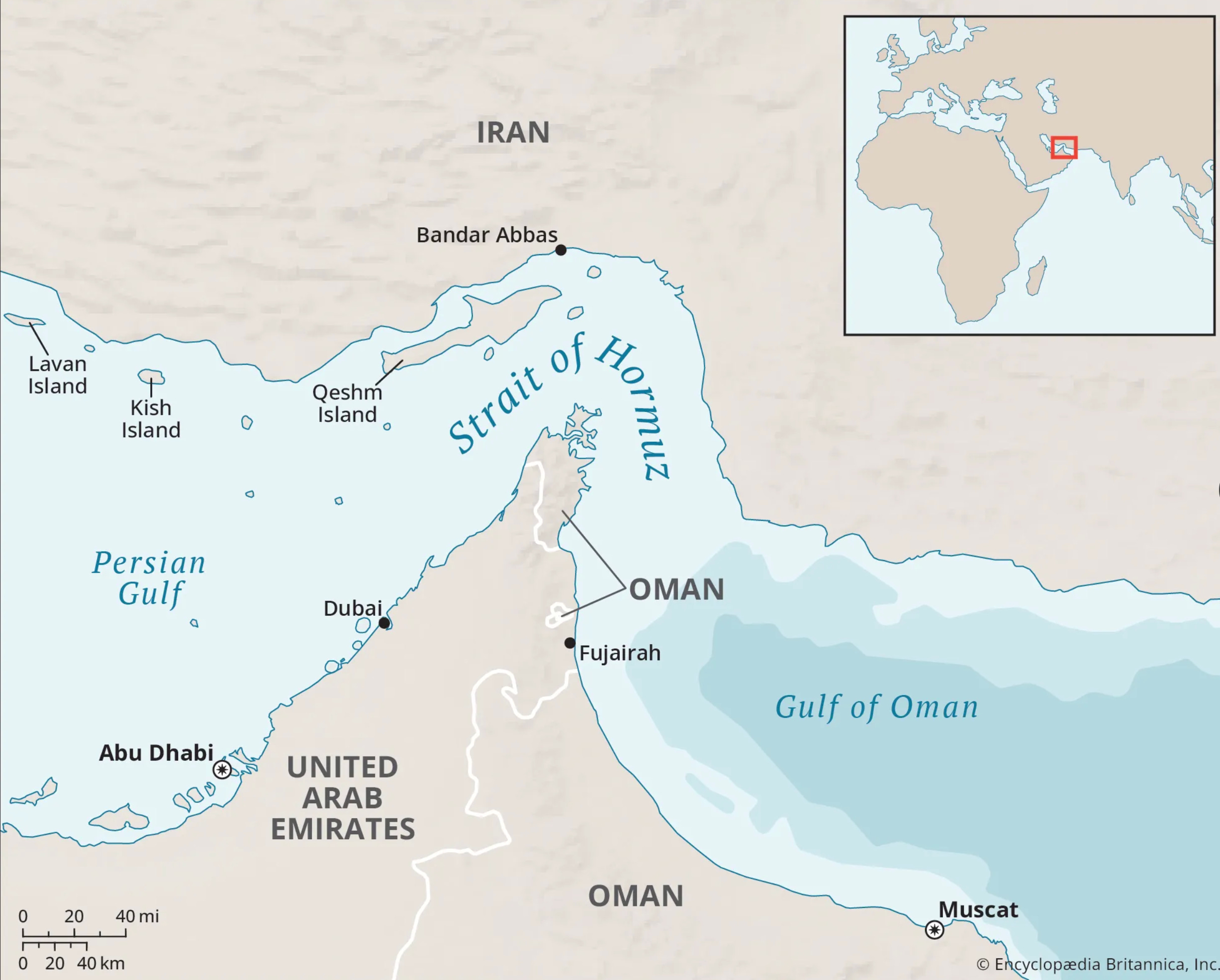
Under the Law of the Sea framework, a coastal country’s territorial sea extends 12 nautical miles from shore. Iran and Oman both claim that limit. The Strait of Hormuz measures roughly 20.75 nautical miles (~24 miles) across at its narrowest point. Add Iran’s 12 miles to Oman’s 12 and the total exceeds the width of the strait. There is no strip of high seas running down the middle. Iranian and Omani territorial waters overlap entirely.
This is exactly the scenario the 1982 Convention attempted to resolve. The agreement grants ships and aircraft the right of “transit passage”, even where the strait sits entirely inside the territorial waters of the bordering states. This includes submerged submarine transit and aircraft overflight.
The issue with Iran is that they reject that transit passage applies to Hormuz. Iran was not a party to the 1982 Convention. It argues that “innocent passage” under the 1958 Convention on the Territorial Sea governs the strait instead. Innocent passage is narrower. It excludes submerged submarine transit and overflight, and a coastal country can suspend it temporarily for security reasons. Iran’s position is that it can regulate or halt passage through its half of the strait because that half is Iranian territorial water, not the kind of international water the US assumes it to be.
The US claims that transit passage has become customary international law, binding on every country whether or not it signed the treaty. The US was also not a UNCLOS party, which weakens its argument, though it enforces the transit passage rule regardless. Oman, notably, signed the UNCLOS agreement and is bound to permit transit passage through its half of the strait. Iran cannot legally speak for Oman’s waters, even where it tries to control traffic through the shared channel.
Where the closure stands today
Iran closed the strait after US and Israeli strikes on Iranian targets on February 28, 2026. An attempted ceasefire in April failed within days. The US imposed a naval blockade on Iranian ports on April 13, and talks between the two nations that same month collapsed over the same two issues: passage rights and Iran’s nuclear program.
In June, there was hope when a 14-point agreement framework was brokered by Pakistan. It was to reopen the strait toll-free for 60 days and directed Iran to negotiate the strait’s long-term administration directly with Oman. In my opinion, this was an implicit admission that the underlying legal question was never resolved. The deal also included a US pledge toward $300 billion in Iranian reconstruction financing.
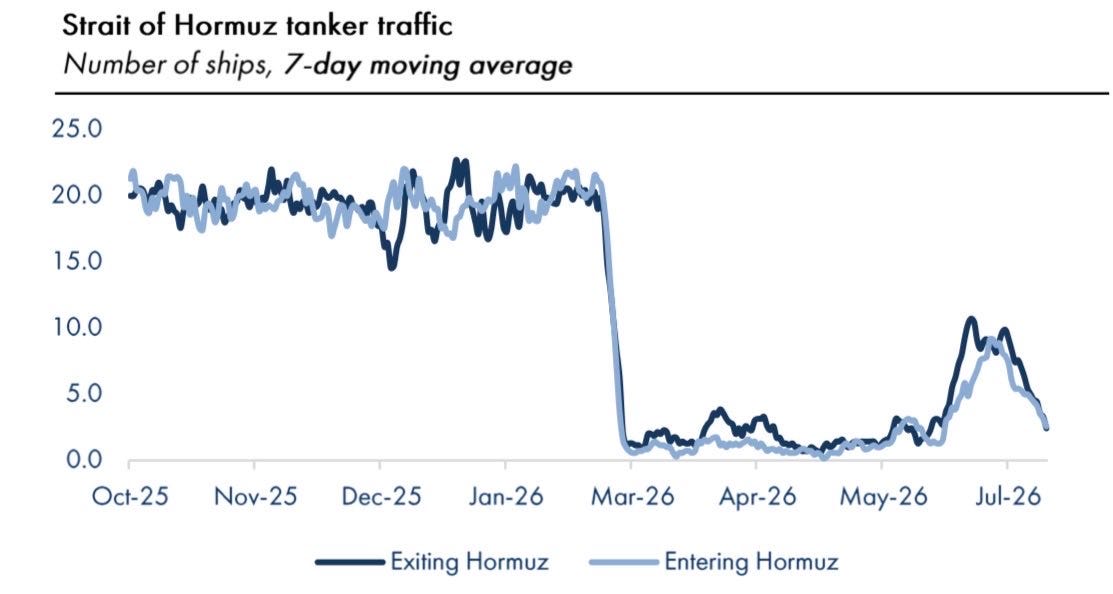
Unfortunately, the truce did not hold. Fighting resumed in early July and the US reimposed its naval blockade. Iran reclosed the strait and blamed what it called illegal US military movements. As of July 20, 2026, the closure has run more than 140 days since the original February 28 strikes.
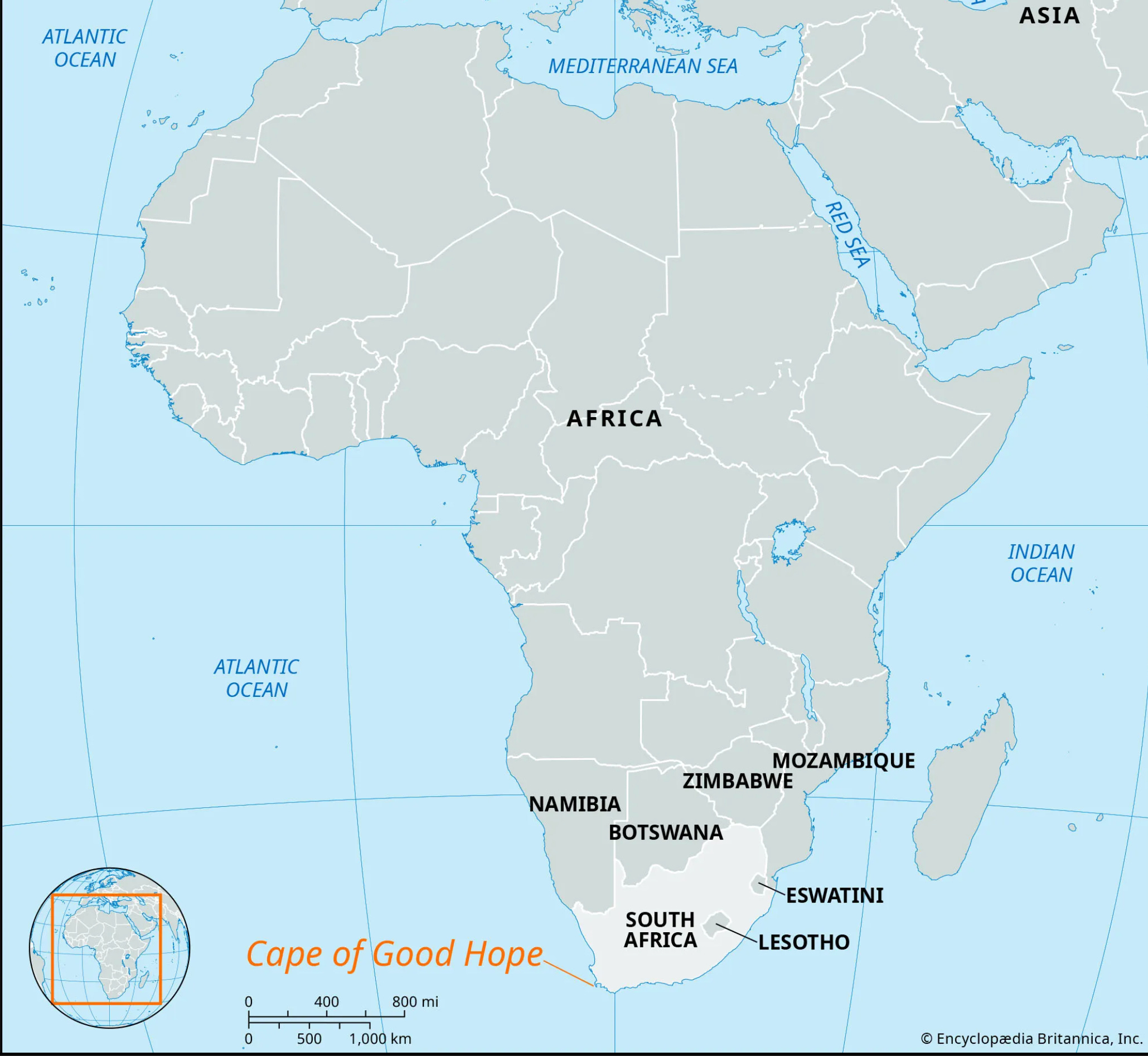
Daily tanker transits, which averaged 40 to 50 vessels before the war, had fallen below 10 a day by mid-July. Several of the world’s largest container carriers have suspended Hormuz passage entirely and rerouted Asia-Europe cargo around the Cape of Good Hope, adding close to two weeks to each voyage. War risk insurance for Gulf transits is running at roughly eight times its normal rate.
The price of crude has moved with every escalation and every rumor of a deal. It traded near $69.80 on January 30, before the strikes, rose to over $100 at the crisis peak, and is now trading at $89. Roughly $20 above where it stood a year ago.
The oil market has been trying to price in this war for five months. I’m not sure it has fully priced in a second question: how much of the strategic reserves used to soften that initial shock is left to absorb a longer-term closure of the strait. That is where Part 2 goes.
